
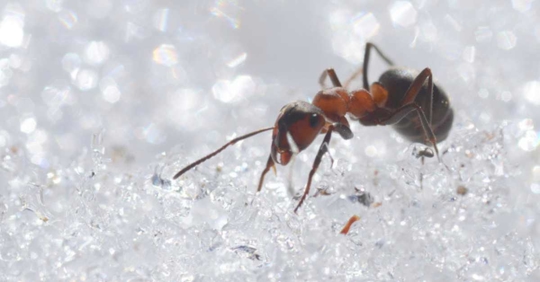
It's surprising, isn't it? You might think that once the chill of a Kansas City winter sets in, those pesky ants would pack up and disappear until spring. But then, you spot them: a tiny line marching across your kitchen counter, seemingly defying the cold.
If you’re a homeowner in Kansas City or a nearby community and you've found yourself scratching your head at the sight of ants indoors during colder months, you're not alone. It's a common mystery, and understanding it is the first step to a cleaner, more comfortable home, especially when you're concerned about indoor cleanliness and the safety of pest control methods.
If you're seeing ants indoors during colder months, it's time to act. Don't wait for the problem to grow. Schedule an ant control service today or call (913) 398-3575.
Can Ants Really Survive Kansas Winters?
The short answer is yes, ants can absolutely survive winters in Kansas, and often, they do it by finding refuge right inside your home. While outdoor ant activity significantly slows down or ceases in freezing temperatures, ants are incredibly resourceful. They're not just enduring the cold; they're actively seeking warmth, food, and shelter to ensure the survival of their colony.
The Winter Hideout: How Ants Get Indoors
Ants are masters of infiltration. As temperatures drop, their biological imperative to survive kicks in, driving them to find suitable overwintering sites. Your warm, cozy home, with its readily available food sources, becomes an irresistible haven. They don't need a wide-open door; even the tiniest cracks and crevices are enough.
Here are some common ways ants make their way inside during colder months:
- Cracks in Foundations and Walls: Over time, homes can develop small cracks in their foundations or exterior walls due to settling or environmental factors. These are perfect entry points for ants.
- Gaps Around Windows and Doors: Seals around windows and doors can deteriorate, leaving tiny gaps that are imperceptible to the human eye but easily exploited by ants.
- Utility Line Openings: Where pipes, wires, or cables enter your home, there can be small unsealed gaps that provide a direct pathway for pests.
- Firewood: Bringing firewood indoors can inadvertently introduce ant colonies that have nested within the wood.
- Potted Plants: If you bring outdoor potted plants inside for the winter, ants might have already made themselves at home in the soil.
Understanding these common entry points can help homeowners in Kansas City be more proactive in their pest control efforts. It's not just about what you see on the surface; it's about the potential pathways that are hidden in plain sight.
Why Do I See Ants in Winter When There's No Food Out?
This is a very common question, and it speaks to a fundamental misunderstanding of ant behavior. While ants are always on the lookout for food, their presence indoors during winter isn't always directly tied to visible crumbs. They might be:
- Foraging for Moisture: Even in winter, ants need water to survive. Condensation, leaky pipes, or even just the ambient humidity in certain areas of your home can attract them.
- Seeking Warmth and Shelter: Sometimes, ants aren't actively foraging for food but are simply seeking refuge from the cold. They might be nesting within your walls or under floors, and you only see them when they venture out from their hidden abodes.
- Exploring for New Resources: A colony might send out scouts to explore new areas, even in winter, to find potential new food sources or nesting sites for the spring.
- Already Established Nests: It's possible that an ant colony has already established a nest within your home's structure before winter even began. The ants you see are simply members of an existing indoor colony.
The presence of ants, even when your home appears spotless, is often an indication of a more deeply rooted issue than just a few stray foragers. They are excellent at finding what they need, even when it's not obvious to us.
The Dangers of DIY: Why Professional Help is Best
When you spot ants indoors, your first instinct might be to grab an over-the-counter spray or set out some traps. While these can offer temporary relief for a few visible ants, they rarely address the root of the problem, especially with indoor infestations. Here's why relying solely on DIY methods can be problematic:
- Incomplete Eradication: Most DIY products only target the ants you see, not the entire colony, which is often hidden within your walls or foundation. The queen and the bulk of the colony remain untouched, leading to a resurgence of the problem.
- Misidentification of Species: Different ant species respond to different treatments. Without proper identification, you might be using an ineffective method. For example, some ants are attracted to sugar baits, while others prefer protein.
- Safety Concerns: Many over-the-counter pest control products contain chemicals that can be harmful to children, pets, and even adults if not used correctly. Professional exterminators are trained in the safe and effective application of pest control solutions.
- Difficulty Locating Nests: Finding the ant nest, especially when it's hidden within the structure of your home, requires expertise and specialized equipment that most homeowners don't possess.
- Time and Frustration: Continually battling an ant problem with ineffective methods can be incredibly frustrating and time-consuming.
Instead of a never-ending battle, consider the reassuring and effective approach of professional pest control. Augustine Exterminators, Inc. understands the unique challenges of indoor ant infestations in Kansas City homes, and we're here to help you regain your peace of mind.
How to Prevent Winter Ant Problems Indoors
Once ants are inside, getting rid of them can be tricky without professional help. However, prevention steps can help minimize the chances of an infestation. Here are a few ways to reduce indoor ant activity:
- Seal Entry Points: Thoroughly inspect your home's exterior for cracks in the foundation, gaps around windows and doors, and openings where utility lines enter. Use caulk or weatherstripping to seal these vulnerabilities.
- Trim Vegetation: Keep trees and shrubs trimmed away from your home's exterior. Overhanging branches or bushes can provide a "bridge" for ants to access your roof or upper windows.
- Store Food Properly: Even during winter, keep all food in airtight containers. Clean up crumbs and spills immediately. Don't leave pet food out overnight.
- Address Moisture Issues: Fix any leaky pipes, faucets, or drains. Reduce humidity levels in basements and crawl spaces if possible, as ants are attracted to moisture.
- Inspect Firewood: Before bringing firewood indoors, carefully inspect it for any signs of ant activity. Store firewood away from your home's foundation.
- Check Potted Plants: If you bring outdoor plants inside for the winter, inspect the soil and pot for any ants before bringing them indoors.
By taking these proactive steps, you can significantly reduce the likelihood of a winter ant infestation. However, if you're already seeing ants, remember that a professional assessment is key to a lasting solution.
Get Help with Winter Ant Infestations in Kansas City
Don't let ants diminish your comfort and peace of mind this winter. If you're a homeowner in Kansas City and dealing with an indoor ant infestation, Augustine Exterminators, Inc. is here to help. We offer approachable, helpful, and action-oriented solutions to address your pest concerns safely and effectively. We're committed to helping individuals like you maintain a clean and pest-controlled indoor environment.
The sooner you act, the easier it is to limit the problem and prevent further damage. Reach out to us today through our online contact form or give us a call at (913) 398-3575 to schedule an inspection and take the first step toward a more comfortable home.