
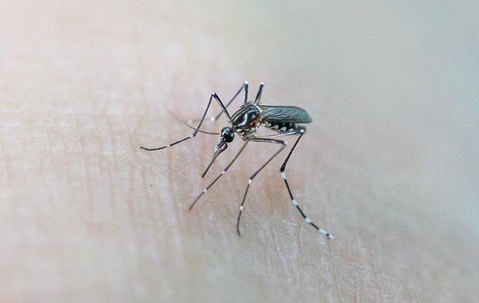
If you’ve been noticing more mosquitoes around your Kansas City yard this summer, you’re not imagining it. Kansas City’s climate, geography, and summer rainfall patterns create ideal breeding conditions, and we’re right in the middle of peak season. Mosquitoes here aren’t just a nuisance. They carry diseases that public health authorities in Kansas and Missouri actively monitor every year. Knowing what you’re up against is the first step toward doing something about it.
What Role Do Mosquitoes Actually Play?
Mosquitoes have a genuine ecological role, even if that’s hard to appreciate when you’re being eaten alive on your back porch. They serve as a food source for birds, fish, reptiles, and amphibians, and female mosquitoes actually live on nectar and plant juices when they’re not reproducing. The blood meal is only needed for egg development. Their presence supports broader food webs in ways that matter to the local ecosystem.
That said, their ecological value doesn’t reduce the very real health risks they pose to Greater Kansas City residents. Both things are true at once, which is why understanding mosquitoes rather than dismissing them entirely gives you a better foundation for protecting your property and your family.
When Is Mosquito Season in Kansas City?
Mosquito season in Kansas City typically begins in March, once temperatures consistently stay above 50 degrees Fahrenheit, and can run all the way through October. But the months that matter most from a health standpoint are July, August, and September. That’s when West Nile virus transmission risk peaks in Kansas, according to the Kansas Department of Health and Environment (KDHE), which publishes weekly regional risk maps throughout that window. As of late July 2025, KDHE had placed the entire state of Kansas in a high-risk category for West Nile virus.
Local geography makes things worse. Kansas City sits at the confluence of the Missouri and Kansas Rivers, and flooding events push floodwater mosquito populations sharply upward. A dry stretch followed by heavy May rainfall can produce explosive mosquito emergence within a week. When May thunderstorms are significant, June tends to follow with unusually high mosquito pressure across the metro.
Which Mosquitoes Live Here, & Why It Matters
Not all mosquitoes in the Kansas City area behave the same way, and knowing which species you’re dealing with helps explain why some problems are harder to control than others. The three most common groups in our area are Aedes, Culex, and Anopheles. Culex mosquitoes are the primary vector of West Nile virus in Kansas and across the United States, per KDHE, and tend to be most active at dusk and through the night. Aedes mosquitoes bite during the day and are associated with Zika and dengue fever. Anopheles mosquitoes are historically linked to malaria transmission, though local transmission in the U.S. is rare.
All three species are drawn to the same basic attractants: carbon dioxide from your breath, body heat, and standing water. During daylight hours, mosquitoes rest in shaded vegetation, dense landscaping, and under patio furniture. In Kansas City’s summer heat, larvae can develop into adults in as few as five days, which means even small, overlooked water sources can sustain an entire breeding cycle.
The Diseases Mosquitoes Carry in This Region
West Nile virus is the mosquito-borne disease Kansas City residents face the greatest documented risk from. Most people infected don’t develop symptoms, but about one in five will experience fever, body aches, and fatigue. Approximately one in 150 infected people develop neuroinvasive disease, which can include brain swelling, paralysis, and long-term neurological effects.
West Nile isn’t the only concern. La Crosse encephalitis and Saint Louis encephalitis have both been documented in the Missouri and Kansas area. Zika virus remains a risk, particularly for pregnant women, given its links to serious birth defects. Dengue fever has been carried into the country by travelers and can spread locally where Aedes mosquitoes are present. Mosquitoes also transmit heartworm larvae to dogs and cats, making prevention a concern for the whole household, not just the people in it.
How to Reduce Mosquitoes Around Your Yard
The most important step any homeowner can take is eliminating standing water, which is where mosquitoes breed. Empty flower pots, gutters, birdbaths, buckets, tarps, and pet bowls at least every three days. Keep grass trimmed and clear debris from dense landscaping where mosquitoes rest during the day.
Certain plants can also reduce mosquito encounters near patios and doorways. Lavender, marigolds, and citronella grass all have some repellent effect when placed in high-traffic outdoor areas. They won’t eliminate a problem, but they can make a noticeable difference in localized spots.
The honest limitation of DIY prevention is that it works best as a supplement, not a solution. Properties near wooded greenways, creeks, or neighborhood parks face constant migration pressure from surrounding areas. Mosquitoes that breed in a neighbor’s yard or a nearby ditch don’t stay there. Property-level maintenance reduces your exposure but can’t stop ongoing immigration from the broader environment.
How We Treat Mosquitoes in Kansas City
Our mosquito control targets mosquitoes at multiple points in their lifecycle, not just the adult population you can see. We use Integrated Pest Management (IPM) methods, which combine targeted treatments with an understanding of mosquito biology to achieve more durable results with less environmental impact. One of the tools we use is the In2Care mosquito trap, an eco-friendly system that spreads larvicide to surrounding breeding sites when a mosquito lands in the trap. This disrupts the lifecycle at the larval stage rather than just knocking down adults after the fact.
We offer monthly mosquito control plans running from approximately April through September, so protection starts before peak season rather than after it’s already underway. We also offer one-time treatments for outdoor events like weddings, graduations, and family gatherings when you need a defined window of reduced mosquito activity without committing to a seasonal program. All of our service plans are available with no long-term contracts.
Right now is the highest-risk stretch of the Kansas City mosquito season. If you want to know what a treatment plan would look like for your property, give Augustine Exterminators, Inc. a call at (913) 398-3575 to get started.